 Image 1 of 1
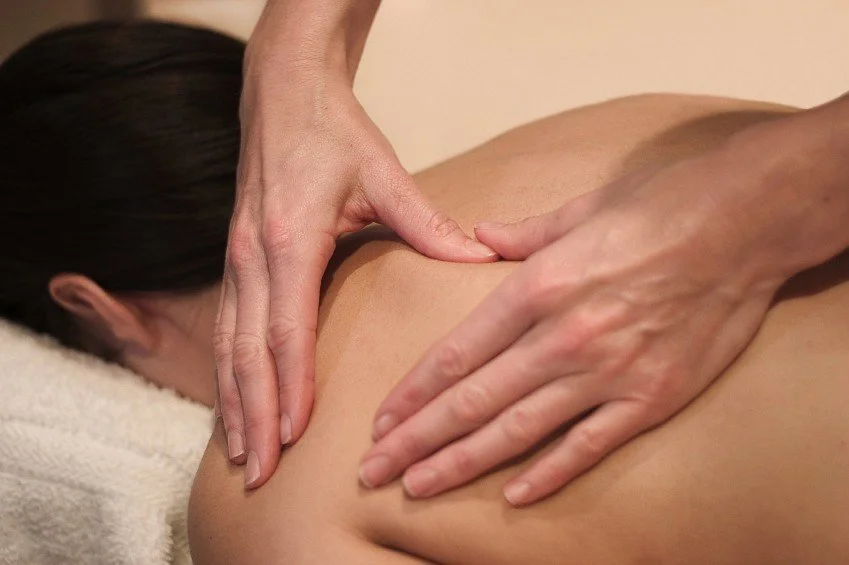
Acupressure is a traditional Chinese medicine (TCM) technique based on the same principles as acupuncture, but without the needles. It involves applying manual pressure (usually with the fingertips or palms) to specific Meridian points on the body to stimulate the natural self-healing process.
The practice is rooted in the concept of Qi (pronounced "Chee"), which is the life-force energy that flows through invisible pathways in the body called meridians.
Unblocking Energy: In TCM, illness or pain is viewed as a "blockage" in these meridians. Applying pressure to specific points is thought to clear these blockages and restore the flow of energy.
The Physiological View: From a Western medical perspective, acupressure works by stimulating the nervous system. This pressure signals the brain to release endorphins (natural painkillers) and increases blood flow to the area, which helps relax tight muscles and reduce inflammation.
Gate Control Theory: The physical sensation of pressure can "crowd out" pain signals traveling to the brain, effectively "closing the gate" on the perception of pain..
Acupressure is a traditional Chinese medicine (TCM) technique based on the same principles as acupuncture, but without the needles. It involves applying manual pressure (usually with the fingertips or palms) to specific Meridian points on the body to stimulate the natural self-healing process.
The practice is rooted in the concept of Qi (pronounced "Chee"), which is the life-force energy that flows through invisible pathways in the body called meridians.
Unblocking Energy: In TCM, illness or pain is viewed as a "blockage" in these meridians. Applying pressure to specific points is thought to clear these blockages and restore the flow of energy.
The Physiological View: From a Western medical perspective, acupressure works by stimulating the nervous system. This pressure signals the brain to release endorphins (natural painkillers) and increases blood flow to the area, which helps relax tight muscles and reduce inflammation.
Gate Control Theory: The physical sensation of pressure can "crowd out" pain signals traveling to the brain, effectively "closing the gate" on the perception of pain..