 Image 1 of 1
While it has gained modern fame thanks to professional athletes (you may have seen the circular marks on Olympic swimmers), it is used by millions to manage pain and promote cellular repair.
The mechanism of cupping is essentially "reverse massage." Instead of pushing down on the tissue, cupping uses decompression to pull the tissue upward.
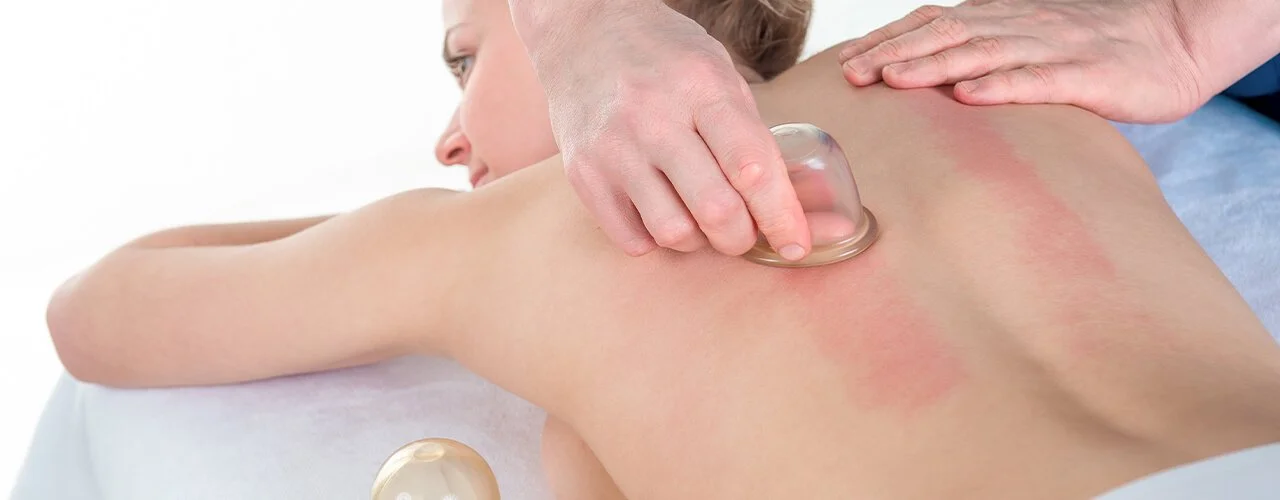
Suction: Modern therapists use glass, bamboo, or silicone cups. Suction is created either by heat (fire cupping) or a mechanical suction pump.
The "Bruises": The characteristic marks left behind aren't typical bruises. They are caused by vasodilation (expanding blood vessels), which draws stagnant blood and toxins to the surface so the lymphatic system can flush them out.
Fascial Release: The suction stretches the fascia (the connective tissue surrounding muscles), which helps improve flexibility and reduce "knots."
Deep Tissue Relief: By pulling the muscle tissue upward, cupping can reach deep layers of tension that manual massage might miss, making it excellent for chronic back and neck pain.
Increased Circulation: The suction draws fresh, oxygenated blood to the treated area, which accelerates the healing of injured or overworked muscles.
Reduced Inflammation: Research suggests that cupping can help modulate the immune response and decrease inflammatory markers.
Detoxification: It stimulates the lymphatic system, helping the body process metabolic waste and toxins more efficiently.
Respiratory Support: "Chest cupping" is often used in Traditional Chinese Medicine to help loosen phlegm and relieve congestion from asthma or the common cold.
Relaxation: Much like acupressure, cupping can engage the parasympathetic nervous system, helping to lower heart rate and induce a state of calm.
Dry Cupping: A suction-only method where the cups stay in one place for 5–10 minutes.
Moving (Gliding) Cupping: Oil is applied to the skin first, allowing the therapist to slide the pressurized cups across the muscles, providing a deep-tissue massage effect.
Note on the "Marks": The circular marks usually fade within 3 to 7 days. They are generally painless, but they do indicate where your body had the most stagnation or tension.
Safety First: Cupping is generally safe, but it’s not for everyone. You should avoid it if you have a bleeding disorder, skin infections, or are taking blood thinners.
While it has gained modern fame thanks to professional athletes (you may have seen the circular marks on Olympic swimmers), it is used by millions to manage pain and promote cellular repair.
The mechanism of cupping is essentially "reverse massage." Instead of pushing down on the tissue, cupping uses decompression to pull the tissue upward.
Suction: Modern therapists use glass, bamboo, or silicone cups. Suction is created either by heat (fire cupping) or a mechanical suction pump.
The "Bruises": The characteristic marks left behind aren't typical bruises. They are caused by vasodilation (expanding blood vessels), which draws stagnant blood and toxins to the surface so the lymphatic system can flush them out.
Fascial Release: The suction stretches the fascia (the connective tissue surrounding muscles), which helps improve flexibility and reduce "knots."
Deep Tissue Relief: By pulling the muscle tissue upward, cupping can reach deep layers of tension that manual massage might miss, making it excellent for chronic back and neck pain.
Increased Circulation: The suction draws fresh, oxygenated blood to the treated area, which accelerates the healing of injured or overworked muscles.
Reduced Inflammation: Research suggests that cupping can help modulate the immune response and decrease inflammatory markers.
Detoxification: It stimulates the lymphatic system, helping the body process metabolic waste and toxins more efficiently.
Respiratory Support: "Chest cupping" is often used in Traditional Chinese Medicine to help loosen phlegm and relieve congestion from asthma or the common cold.
Relaxation: Much like acupressure, cupping can engage the parasympathetic nervous system, helping to lower heart rate and induce a state of calm.
Dry Cupping: A suction-only method where the cups stay in one place for 5–10 minutes.
Moving (Gliding) Cupping: Oil is applied to the skin first, allowing the therapist to slide the pressurized cups across the muscles, providing a deep-tissue massage effect.
Note on the "Marks": The circular marks usually fade within 3 to 7 days. They are generally painless, but they do indicate where your body had the most stagnation or tension.
Safety First: Cupping is generally safe, but it’s not for everyone. You should avoid it if you have a bleeding disorder, skin infections, or are taking blood thinners.