 Image 1 of 1
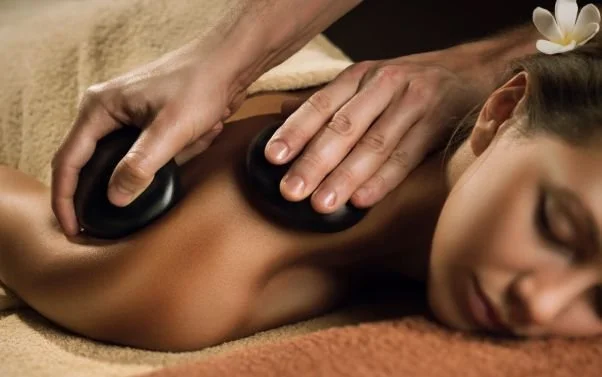
The treatment combines the benefits of traditional massage with the deep, penetrating power of heat.
Thermal Therapy: The heat from the stones expands blood vessels, which improves circulation and allows the therapist to work into deeper muscle layers without using excessive pressure.
Placement Points: Stones are often placed on meridians (energy pathways) to balance the body's energy flow, similar to the principles of Acupressure.
Deep Tissue Manipulation: Because the heat relaxes the muscles almost instantly, it makes it easier to release "knots" and chronic tension.
Deep Muscle Relaxation: The primary benefit is the immediate relief of muscle tension. The heat acts as a natural sedative for the nervous system, helping muscles "melt" under the therapist’s touch.
Pain Relief: It is particularly effective for people dealing with fibromyalgia, arthritis, or chronic back pain, as the warmth reduces inflammation and eases joint stiffness.
Stress and Anxiety Reduction: According to the Mayo Clinic, massage therapy can be a powerful tool for reducing stress, and the added warmth of hot stones further encourages the release of endorphins.
Improved Sleep: By calming the "fight or flight" response, hot stone therapy can help those suffering from insomnia or restless sleep patterns.
Boosted Immunity: Like most massages, it stimulates the lymphatic system, helping the body process toxins and move fluid more effectively.
Hot stone massage isn't for everyone. It should generally be avoided or discussed with a doctor if you have:
High blood pressure or heart disease.
Diabetes (which can decrease sensitivity to heat).
Open wounds or skin infections.
Pregnancy (especially if heat is applied to the midsection).
The treatment combines the benefits of traditional massage with the deep, penetrating power of heat.
Thermal Therapy: The heat from the stones expands blood vessels, which improves circulation and allows the therapist to work into deeper muscle layers without using excessive pressure.
Placement Points: Stones are often placed on meridians (energy pathways) to balance the body's energy flow, similar to the principles of Acupressure.
Deep Tissue Manipulation: Because the heat relaxes the muscles almost instantly, it makes it easier to release "knots" and chronic tension.
Deep Muscle Relaxation: The primary benefit is the immediate relief of muscle tension. The heat acts as a natural sedative for the nervous system, helping muscles "melt" under the therapist’s touch.
Pain Relief: It is particularly effective for people dealing with fibromyalgia, arthritis, or chronic back pain, as the warmth reduces inflammation and eases joint stiffness.
Stress and Anxiety Reduction: According to the Mayo Clinic, massage therapy can be a powerful tool for reducing stress, and the added warmth of hot stones further encourages the release of endorphins.
Improved Sleep: By calming the "fight or flight" response, hot stone therapy can help those suffering from insomnia or restless sleep patterns.
Boosted Immunity: Like most massages, it stimulates the lymphatic system, helping the body process toxins and move fluid more effectively.
Hot stone massage isn't for everyone. It should generally be avoided or discussed with a doctor if you have:
High blood pressure or heart disease.
Diabetes (which can decrease sensitivity to heat).
Open wounds or skin infections.
Pregnancy (especially if heat is applied to the midsection).