 Image 1 of 2
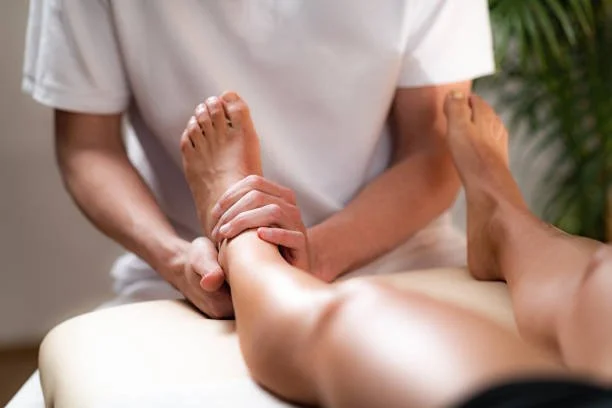 Image 2 of 2
Often referred to as a "classic massage," the Swedish technique is the most popular form of massage therapy worldwide. Its primary goal is pure relaxation. By focusing on the body's soft tissues, it helps melt away the physical and mental tension accumulated from daily life—whether that’s from hours spent at a computer desk or a strenuous workout.
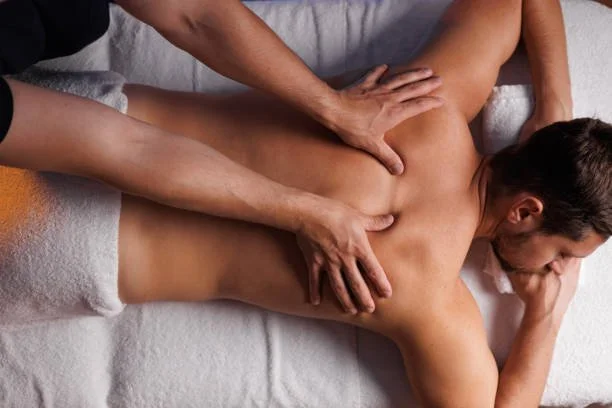
A traditional Swedish massage is a full-body experience. You will typically begin lying on your back or stomach and flip over halfway through the session. Your therapist will use a combination of four distinct movements to achieve results:
Long, Gliding Strokes: To warm up the muscle tissue and improve circulation.
Kneading: To work through deeper knots and tension.
Deep Circular Movements: To target specific areas of tightness.
Passive Joint Movements: To help improve flexibility and range of motion.
While the experience is incredibly soothing, it also provides several physiological benefits:
Muscle Relief: Effectively loosens tight muscles, specifically in high-tension areas like the neck, shoulders, and lower back.
Circulation Boost: Increases blood flow and aids in lymphatic drainage.
Nervous System Support: Stimulates nerve endings to help the body shift into a state of deep rest.
Pro Tip: One of the best parts of a Swedish massage is its flexibility. You can customize the pressure—choosing between light, medium, or firm—and ask your therapist to spend extra time on specific "trouble spots" like a stiff neck.
Often referred to as a "classic massage," the Swedish technique is the most popular form of massage therapy worldwide. Its primary goal is pure relaxation. By focusing on the body's soft tissues, it helps melt away the physical and mental tension accumulated from daily life—whether that’s from hours spent at a computer desk or a strenuous workout.
A traditional Swedish massage is a full-body experience. You will typically begin lying on your back or stomach and flip over halfway through the session. Your therapist will use a combination of four distinct movements to achieve results:
Long, Gliding Strokes: To warm up the muscle tissue and improve circulation.
Kneading: To work through deeper knots and tension.
Deep Circular Movements: To target specific areas of tightness.
Passive Joint Movements: To help improve flexibility and range of motion.
While the experience is incredibly soothing, it also provides several physiological benefits:
Muscle Relief: Effectively loosens tight muscles, specifically in high-tension areas like the neck, shoulders, and lower back.
Circulation Boost: Increases blood flow and aids in lymphatic drainage.
Nervous System Support: Stimulates nerve endings to help the body shift into a state of deep rest.
Pro Tip: One of the best parts of a Swedish massage is its flexibility. You can customize the pressure—choosing between light, medium, or firm—and ask your therapist to spend extra time on specific "trouble spots" like a stiff neck.