 Image 1 of 2
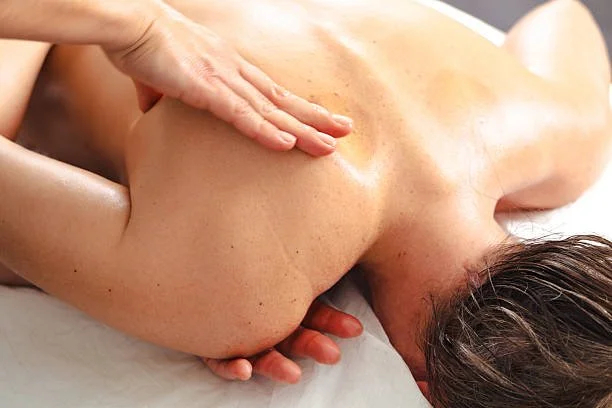 Image 2 of 2
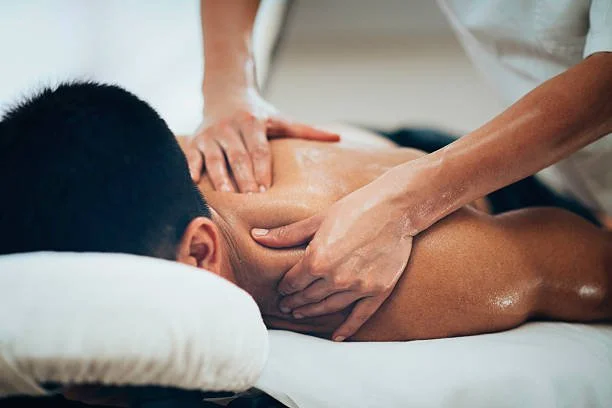
Think of Deep Tissue Massage as the more intense sibling of the Swedish technique. While it uses similar strokes, it goes much further—literally. It is designed to reach the inner layers of your muscles, tendons, and fascia (the dense connective tissue surrounding your muscles).
This technique is less about a "spa day" and more about therapeutic recovery. It is best suited for:
Athletes and runners looking to improve performance or recovery.
Individuals with injuries or chronic pain conditions like myofascial pain syndrome.
People with persistent tension, such as chronic lower back pain.
A deep tissue session is a gradual process of "unlocking" your muscles layer by layer.
The Warm-up: Your therapist will start with traditional relaxation strokes to prep the surface muscles.
The Intensity: Once warmed up, they will use their knuckles, fists, forearms, or even elbows to apply significant pressure to problem areas.
Communication is Key: Because this pressure can be intense (and sometimes uncomfortable), it is vital to tell your therapist if the pain feels counterproductive.
By releasing deeply contracted areas of tissue, this massage helps to:
Reduce Inflammation: By increasing blood flow to soft tissues.
Facilitate Healing: Breaking down "knots" or adhesions that limit movement.
Increase Mobility: Helping to stretch and loosen rigid muscle fibers.
Note on Aftercare: It is common to feel sore for a few days after a deep tissue session. To help your body recover, your therapist may recommend using ice, heat, or gentle stretching.
Think of Deep Tissue Massage as the more intense sibling of the Swedish technique. While it uses similar strokes, it goes much further—literally. It is designed to reach the inner layers of your muscles, tendons, and fascia (the dense connective tissue surrounding your muscles).
This technique is less about a "spa day" and more about therapeutic recovery. It is best suited for:
Athletes and runners looking to improve performance or recovery.
Individuals with injuries or chronic pain conditions like myofascial pain syndrome.
People with persistent tension, such as chronic lower back pain.
A deep tissue session is a gradual process of "unlocking" your muscles layer by layer.
The Warm-up: Your therapist will start with traditional relaxation strokes to prep the surface muscles.
The Intensity: Once warmed up, they will use their knuckles, fists, forearms, or even elbows to apply significant pressure to problem areas.
Communication is Key: Because this pressure can be intense (and sometimes uncomfortable), it is vital to tell your therapist if the pain feels counterproductive.
By releasing deeply contracted areas of tissue, this massage helps to:
Reduce Inflammation: By increasing blood flow to soft tissues.
Facilitate Healing: Breaking down "knots" or adhesions that limit movement.
Increase Mobility: Helping to stretch and loosen rigid muscle fibers.
Note on Aftercare: It is common to feel sore for a few days after a deep tissue session. To help your body recover, your therapist may recommend using ice, heat, or gentle stretching.